
How Local SEO Can Help Small Businesses Dominate Search Results
Local SEO helps small businesses rank in search results for customers searching within a specific geographic area, so you compete against nearby businesses instead of national brands. It combines Google Business Profile optimization, location-targeted content, and citation building to put your business in front of people who are ready to buy right now. This post walks through exactly how local SEO works and the most effective steps you can take to own your city’s search results.
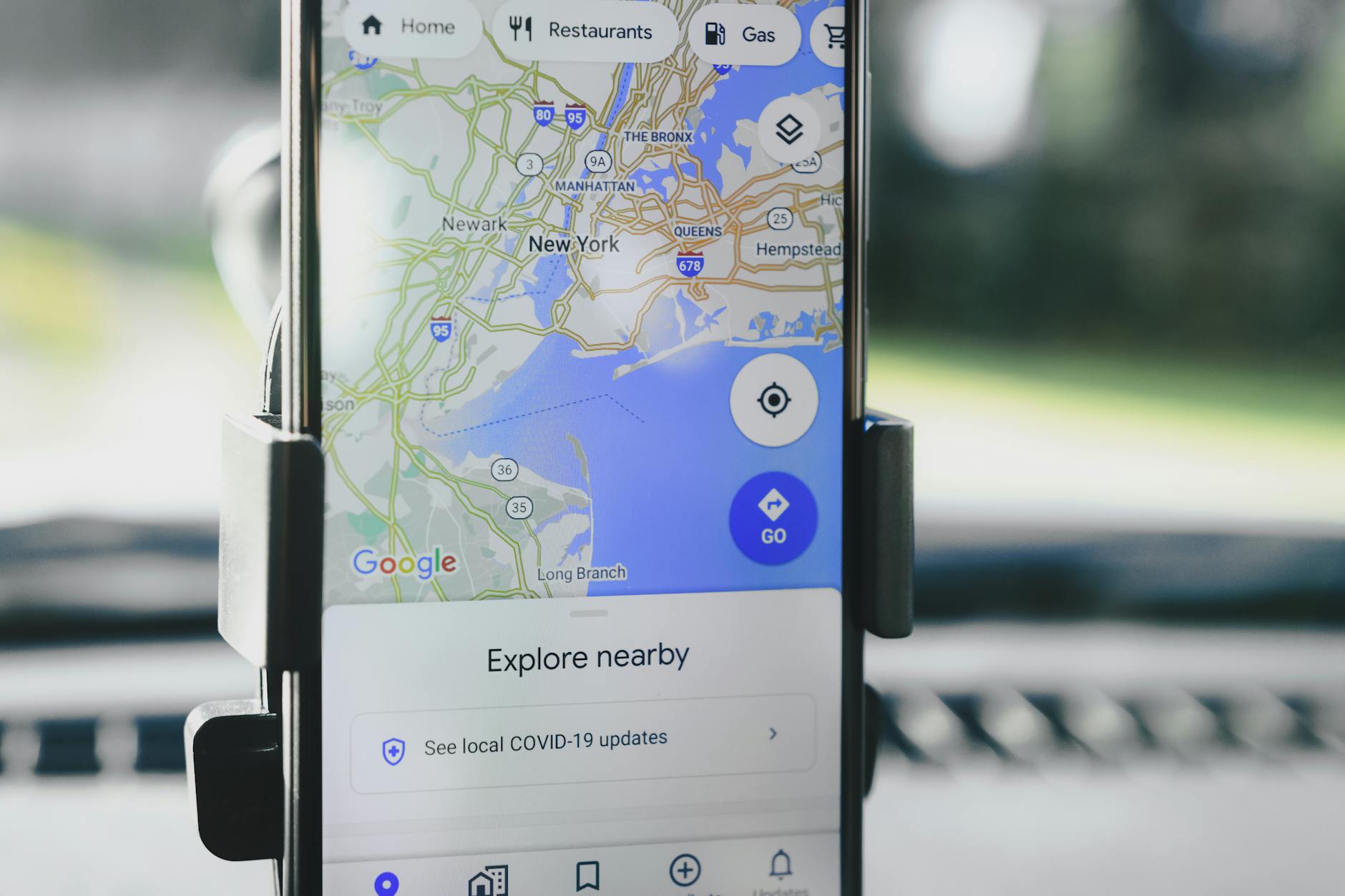
1. What Is Local SEO and Why Does It Matter for Small Businesses?
Local SEO is the process of optimizing your online presence so your business appears when people search for services in your area. Think of it as the difference between showing up on the first page when someone in your city searches for a service you offer versus being buried behind national directories and big-box competitors who have spent millions on SEO over decades.
For small businesses, local SEO is not just one tactic among many. It is the foundation of your entire digital marketing strategy. When someone searches for a local service, BrightLocal research consistently shows that the majority of users never scroll past the Map Pack and the first few organic results. If you are not there, you effectively do not exist online for those customers.
Local search engine optimization levels the playing field. A well-optimized small business can outrank a national chain in a specific city because Google prioritizes relevance and proximity. Local SEO for small businesses is not about matching a corporate marketing budget. It is about being more relevant, more trusted, and more visible within your service area than anyone else.
The importance of local SEO also compounds over time. Unlike paid ads that stop the moment you stop paying, a well-structured local SEO strategy builds organic authority that keeps delivering traffic month after month. That is what makes it one of the highest-ROI marketing investments a small business can make.
2. How Does Local SEO Work?
Understanding how local SEO works starts with recognizing the three main ranking factors Google uses for local results: relevance, distance, and prominence. Google explains these signals in its own Search Central documentation: relevance is how well your business matches a search query, distance is how close you are to the searcher, and prominence is how well-known and trusted your business appears based on links, reviews, and citations.
Here is a practical breakdown of how local search engine optimization actually functions:
- Google Business Profile (GBP): Your GBP listing is the single most important asset in local SEO. It feeds the Map Pack results directly. Keeping it accurate, keyword-rich, and active with fresh posts and photos signals relevance and prominence to Google.
- On-page local signals: Your website needs pages that clearly tie your services to your service area. That means city-specific content, location pages, and proper schema markup like Schema.org structured data so Google can read your business information accurately.
- Citations and NAP consistency: Your business Name, Address, and Phone number need to match exactly across every directory, listing, and website that mentions your business. Inconsistencies confuse Google and erode trust.
- Reviews and reputation signals: The quantity and quality of your Google reviews directly influence local rankings. They also affect click-through rates because users trust businesses with strong, recent reviews.
- Local content: Publishing regular blog posts and service pages that target city-specific and neighborhood-specific keywords tells Google that your business is genuinely relevant to searches in that area.
If you want to see where your business currently stands, run a free GBP audit to identify the gaps in your Google Business Profile before you invest more time or money into other tactics.
3. The Real Benefits of Local SEO for Small Businesses
The benefits of local SEO for small businesses go well beyond just showing up in search results. Here is what a strong local SEO strategy actually delivers:
- Higher-intent traffic: Someone searching for a service in your city is not browsing. They are ready to call or book. Local search traffic converts at a significantly higher rate than generic organic traffic because the intent is immediate.
- Lower cost per acquisition: Unlike paid advertising, the organic traffic generated through local SEO does not cost you per click. Once you build authority in a market, the leads keep coming without a recurring ad spend.
- Map Pack visibility: The Google Map Pack sits above most organic results and captures a large share of local clicks. Appearing there puts your business in front of customers before they even reach traditional website listings.
- Trust and credibility: Ranking high in local search results signals to potential customers that your business is established and trusted. A strong review profile reinforces that perception.
- Competitive advantage over larger brands: National companies optimize for broad, high-competition keywords. They rarely invest deeply in hyper-local, city-specific content. That is your opening. A focused local SEO strategy for small businesses can outperform much larger competitors within a defined geographic area.
- Long-term compounding results: Every optimized page, every new review, every quality citation adds to your local authority. The results build on each other over time in a way that paid ads simply cannot replicate.
Tools like AI-powered local SEO tools are specifically built to capture these benefits at scale, automating the content and publishing work that most small business owners do not have time to do manually.

4. Why Local SEO Is Especially Important for Small Business Owners Today
The local search landscape has shifted dramatically. Mobile search has made location-based queries the norm, not the exception. When someone needs a service, they pull out their phone and search with local intent. According to Search Engine Journal, a significant portion of all Google searches have local intent, and that number keeps growing as mobile usage increases.
Small business owners face a specific challenge: they are competing not just against other local businesses but against well-funded national brands and lead-generation aggregators that dominate generic searches. Local SEO is how small businesses carve out their own territory. By targeting city-specific and neighborhood-specific keywords, you are not trying to outrank everyone in the country. You are trying to be the most relevant result in your city, for your service, right now.
There is also an urgency factor. The businesses that invest in local SEO now are building domain authority and content depth that will be very hard for late-movers to displace. Every month you wait is a month your competitor is publishing optimized content, earning reviews, and building citations that compound their advantage.
For service businesses in particular, understanding Google Maps local results visibility is critical because the Map Pack is often where the highest-intent clicks go first.
5. Google Business Profile Optimization: The Core of Local Search Rankings
Your Google Business Profile is the most direct lever you have over your local search rankings. It is free, it is powerful, and most businesses use it poorly. Proper Google Business Profile optimization can move you from invisible to prominently featured in the Map Pack.
Here is what a fully optimized GBP looks like:
- Complete and accurate business information: Every field filled out, including business category, service areas, hours, phone number, and website URL.
- Keyword-rich business description: Your description should naturally include the services you offer and the areas you serve. Do not keyword-stuff, but do be specific.
- Regular GBP posts: Publishing updates, offers, and service highlights to your GBP signals to Google that your listing is active and relevant.
- Photo and video content: Businesses with more photos get significantly more clicks and calls. Real photos of your work, team, and location build trust with both Google and potential customers.
- Review management: Actively request reviews from satisfied customers and respond to every review, positive or negative. Review velocity and recency both influence local rankings.
- Q&A section: Populate your GBP Q&A section with common questions and answers. This adds more keyword-relevant text to your profile and serves customers who have questions before calling.
If you are not sure where your GBP currently stands, take a few minutes to audit your Google Business Profile for free. Identifying the gaps is always step one.
6. Local Keyword Research: How to Find the Searches Your Customers Are Actually Making
Effective local keyword research is what separates businesses that rank from businesses that publish content and wonder why nothing moves. The goal is not to target the broadest possible keywords. It is to find the specific city-plus-service combinations that have real search volume and achievable competition levels.
A strong local keyword strategy targets three layers:
- Primary service keywords with city modifiers: These are the core terms your customers search when they need your service in your city. They are highly specific and highly intent-driven.
- Neighborhood and suburb keywords: Many searchers are even more specific than city-level. Targeting individual neighborhoods and nearby towns can capture traffic that city-level pages miss entirely.
- Long-tail local queries: Question-based and problem-based searches that include a location signal. These often have lower competition and very high conversion rates because the searcher has a specific need right now.
One of the most effective approaches for small businesses is to focus on low competition keywords for local search, especially in the early stages of building domain authority. Winning on lower-difficulty terms first builds the content foundation that makes harder keywords more achievable over time.
Tools like Ahrefs and Semrush have keyword research features, but for local businesses the challenge is filtering for genuine local intent rather than national traffic. Purpose-built local SEO tools that understand city-specific search patterns are often more efficient for this use case.
7. Local SEO Content Strategy: Why Publishing Consistently Is Non-Negotiable
One of the most persistent mistakes small businesses make with local SEO is treating it as a one-time setup task. You claim your GBP, add your city to your homepage title tag, and then wait. That approach stopped working a long time ago.
Google’s Helpful Content guidelines make it clear that consistent, genuinely useful content is a core ranking signal. For local service businesses, that means publishing city-specific blog posts, service area pages, and FAQ content on a regular schedule. Each piece of content you publish is another opportunity to rank for a local search query. Over time, those rankings compound into a significant traffic advantage.
Here is what a strong local content strategy includes:
- City-specific service pages: A dedicated page for each service in each city you serve, optimized for that specific city-plus-service keyword combination.
- Regular blog posts targeting local keywords: Educational posts, how-to guides, and local resource content that naturally incorporates your service area keywords.
- E-E-A-T signals: Google evaluates Experience, Expertise, Authoritativeness, and Trustworthiness when assessing content quality. Author bios, citations, and structured data like JSON-LD schema all help establish these signals.
- Internal linking structure: Connecting your city pages, service pages, and blog posts to each other helps Google understand the structure of your site and distributes authority across your content.
The challenge for most small business owners is time. Writing optimized, city-specific content consistently while also running a business is genuinely difficult. That is exactly the problem that AutoRankr was built to solve. Our autonomous AI agent, Inky, researches local keywords for your service area, writes original SEO-optimized posts with proper E-E-A-T signals, and publishes directly to your WordPress site on a set schedule. You get the compounding benefit of a consistent content strategy without the overhead of a content team. You can rank higher on Google with AI and focus your own time on actually serving your customers.
8. Tips and Best Practices for Effective Local SEO in 2026
Pulling together everything above into a practical action list, here are the most effective local SEO best practices for small businesses right now:
- Claim and fully optimize your Google Business Profile. This is still the highest-leverage single action in local SEO. Do not leave any fields incomplete.
- Build consistent citations across authoritative directories. Your NAP information needs to match exactly on every platform where your business is listed. Inconsistencies dilute your local authority.
- Publish location-specific content on a regular schedule. Google rewards active, relevant sites. Sporadic publishing does not build the momentum that consistent publishing does.
- Earn and respond to reviews actively. Reviews are both a ranking signal and a conversion signal. Make requesting reviews a standard part of your post-service workflow.
- Fix any technical SEO issues on your site. Slow load times, mobile usability problems, and crawl errors all undermine your local rankings. Run a free site audit to identify technical problems before they cost you rankings.
- Build local backlinks. Links from local news sites, business associations, chamber of commerce listings, and community organizations carry strong local relevance signals.
- Use structured data markup. Adding LocalBusiness schema to your website helps Google understand your business type, location, and service areas precisely.
- Monitor your local rankings regularly. You cannot improve what you do not measure. Track your Map Pack positions and organic rankings for your target city-plus-service keywords on a weekly basis.
- Expand your service area content over time. As your authority grows, add content targeting neighboring cities and suburbs. Each new location you cover is a new cluster of keywords you can rank for.
For deeper guidance on the Map Pack specifically, the Google Maps ranking fixes for local businesses breakdown covers the most common reasons businesses stall out in local results and exactly how to address them.
Local SEO for small businesses is not complicated in theory. It is just consistent work applied to the right targets over time. The businesses that win in local search are the ones that show up reliably, publish content that genuinely serves their local audience, and keep their digital presence accurate and active across every channel Google can see.
If you are ready to stop guessing and start building real local search visibility, try AutoRankr free for 3 days, no credit card needed. Our platform handles the keyword research, content writing, and publishing automatically so your site compounds in authority every single week without you having to touch it.
Frequently Asked Questions
What is local SEO and why is it important for small businesses?
Local SEO is the practice of optimizing your online presence to rank in search results for customers in your geographic area. It is important for small businesses because it lets you compete against nearby businesses rather than national brands, driving high-intent traffic from people who are actively searching for your service in your city right now. It builds long-term visibility without ongoing ad spend.
How long does local SEO take to show results?
Most small businesses start seeing measurable movement in local rankings within 3 to 6 months of consistent effort. Factors like your market’s competition level, how well your Google Business Profile is optimized, and how consistently you publish location-specific content all influence the timeline. Less competitive markets can see results faster, while high-competition cities typically take longer to break through.
What is the difference between local SEO and regular SEO?
Regular SEO targets broad national or global search terms, while local SEO focuses specifically on geographic searches tied to a city, neighborhood, or service area. Local SEO also involves platforms that regular SEO does not prioritize, particularly Google Business Profile and the Map Pack. For service businesses operating in a defined geographic area, local SEO is almost always a higher-return investment than generic SEO.
Can a small business do local SEO without hiring an agency?
Yes. Many small businesses handle their own local SEO using a combination of free tools, consistent GBP management, and regular content publishing. The biggest challenge is time, not complexity. AI-powered platforms like AutoRankr automate the most time-consuming parts, including keyword research, content writing, and publishing, so you can execute a professional local SEO strategy without hiring a full agency.
What is the most important ranking factor for local SEO?
Google uses relevance, distance, and prominence as its three primary local ranking factors. In practice, your Google Business Profile is the single most direct lever you control. A complete, keyword-optimized, regularly updated GBP with strong review signals consistently outranks competitors with neglected listings, even when those competitors have larger websites or bigger marketing budgets.